
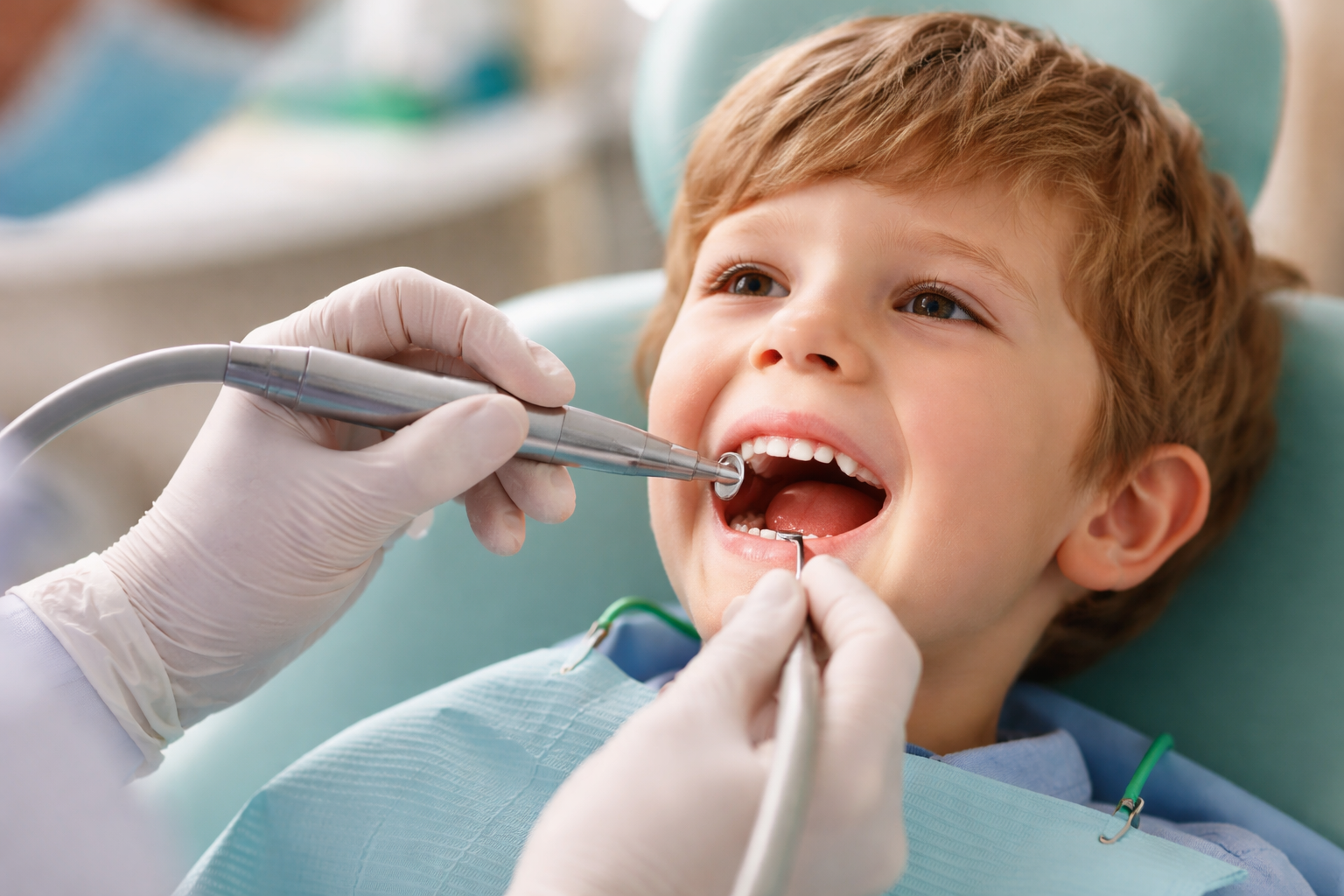
Baby teeth may be temporary, but they play a huge role in your child’s early development. They help with proper chewing, clear speech, and guide the jaw as it grows. Most importantly, they hold space for permanent teeth.
This is why cavities on baby teeth should never be ignored. When treated early, dental problems are easier to manage, less painful, and prevent long-term issues that could affect adult teeth.
What Causes Cavities in Baby Teeth?
Cavities form when bacteria, sugars, and poor brushing habits come together. Kids who snack frequently, rely heavily on sugary drinks, or skip brushing at night are at higher risk. Sometimes, cavities happen because children don’t get enough fluoride or due to bacteria passed from parents when sharing spoons. Genetics can also make some kids more prone to tooth decay.
Signs Your Child May Have a Cavity
Many children won’t tell you when something is wrong, so parents need to watch for changes. Spots on the teeth—white, brown, or dark—are early warning signs. If your child avoids hot or cold foods, complains about pain while chewing, or has persistent bad breath, a cavity may be developing. Swelling or redness in the gums is another sign that the tooth needs attention.
Why Restoring Baby Teeth Is Important
Restoring baby teeth isn’t just about looks. It prevents infection from spreading to other teeth and protects the developing permanent teeth underneath. Healthy baby teeth help your child chew properly, speak clearly, and avoid avoidable dental emergencies. When these teeth are lost too early, surrounding teeth can shift, making it harder for adult teeth to come in correctly.
Restoration Procedures for Cavities on Baby Teeth
Dental Fillings
Fillings are the go-to treatment for small to moderate cavities. Dentists usually use tooth-colored composite or glass ionomer materials because they are durable and blend naturally with the tooth. The procedure is quick and restores the tooth’s function without causing discomfort.
Stainless Steel Crowns (SSCs)
When a cavity is large or affects multiple surfaces, a filling might not be strong enough. In these cases, stainless steel crowns are a reliable solution. They are durable, long-lasting, and protect the entire tooth. Dentists choose crowns when they want to save the tooth and prevent future fractures.
Pulpotomy (Baby Root Canal)
If decay reaches the nerve inside the tooth, a pulpotomy may be needed. During this procedure, the infected portion of the nerve is removed and replaced with a medicated material. The tooth is then sealed, often with a crown. This stops pain, prevents infection, and allows the tooth to stay in place until it naturally falls out.
Extraction
If a tooth is too damaged to repair, extraction becomes the safest choice. After removal, dentists may recommend a space maintainer to ensure that surrounding teeth don’t shift. This keeps the path clear for permanent teeth to grow in properly.
Silver Diamine Fluoride (SDF) Treatment
For early-stage cavities or young, anxious children, SDF is a gentle alternative. It’s a liquid applied to the tooth to halt the progression of decay. It is fast, non-invasive, and effective, though it does turn the affected area dark. Many parents choose it when they want to avoid drilling.
How Dentists Choose the Right Procedure
Dentists consider several factors before deciding on a treatment: the size and depth of the cavity, your child’s age and comfort level, their oral hygiene habits, and whether the tooth is essential for chewing. Pain, infection, and the tooth’s location also play important roles in choosing the most effective restoration.
Preventing Cavities in Baby Teeth
Daily brushing with a fluoride toothpaste is the best defense against cavities. Limiting sugary snacks, avoiding frequent sipping on juice, and maintaining regular dental checkups help keep teeth strong. Professional fluoride treatments add extra protection. Teaching children proper brushing habits early on sets the foundation for lifelong oral health.
When to Visit a Pediatric Dentist
It’s best to schedule a dental visit as soon as you notice spots, sensitivity, or discomfort. The ideal first dental visit should happen by age one. Early visits help children feel comfortable at the dentist and allow parents to detect problems before they become serious.
Conclusion
Cavities on baby teeth may be common, but they don’t have to disrupt your child’s comfort or development. With timely treatment and the right restoration procedure, your child can maintain a healthy and happy smile. At American Medical Center, we’re here to support families every step of the way and make dental care simple, stress-free, and effective.

