
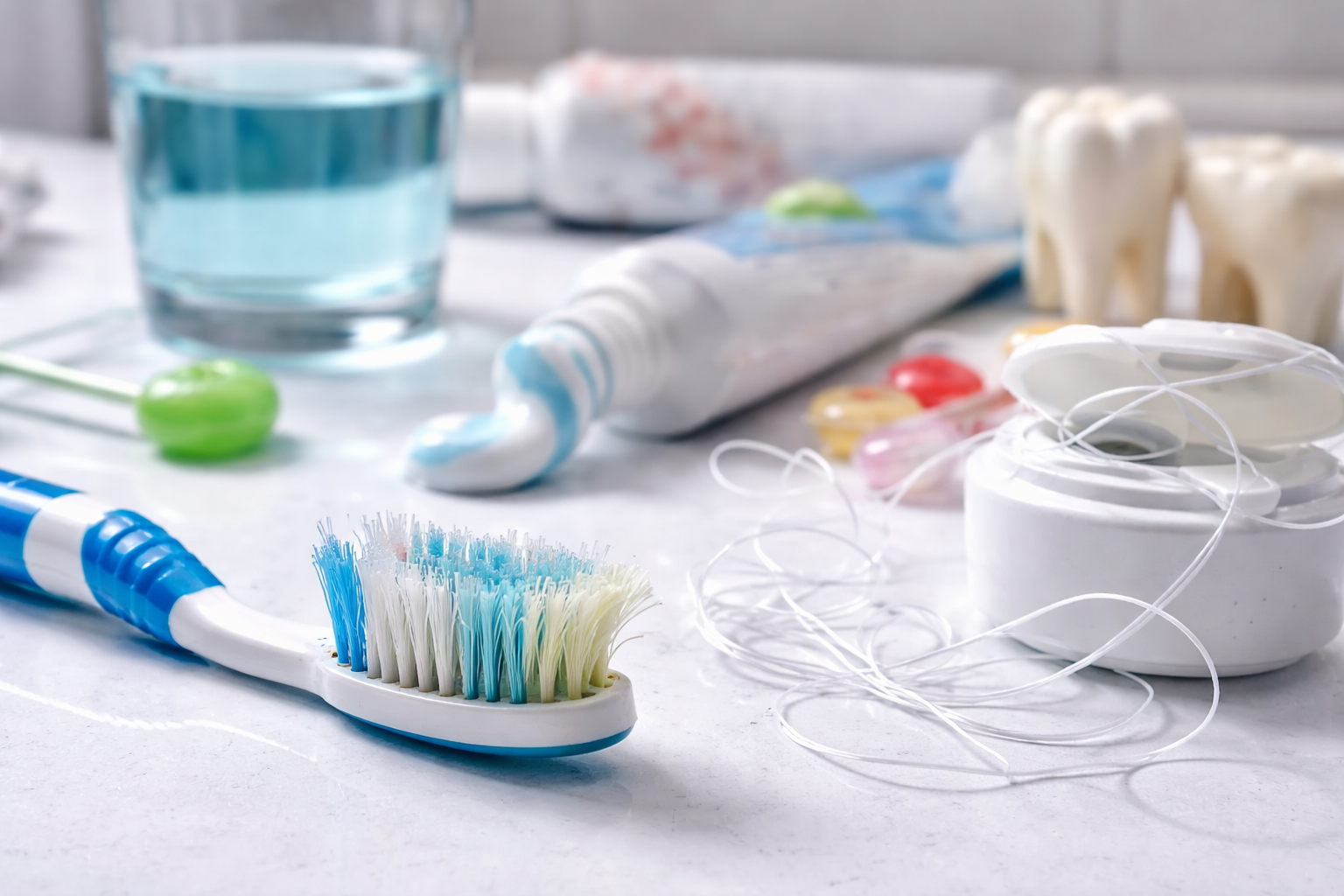
Most of us believe we’re doing a decent job when it comes to oral hygiene. We brush twice a day, rinse, maybe floss when we remember—and assume that’s enough. But here’s the surprise: many Dental Care Mistakes happen during these exact routines.
Small daily habits, repeated over time, can quietly harm your teeth and gums. No pain. No warning signs. Just slow damage building in the background.
In this guide, we’ll walk through the most common mistakes people make every day and show you simple, practical ways to fix them—without turning your routine upside down.
1. Brushing Too Hard
Brushing harder doesn’t mean brushing better.
In fact, aggressive brushing wears down enamel and irritates gums.
If your toothbrush bristles flatten quickly or your gums feel sore, that’s a red flag. Dentists recommend gentle, circular motions—think “massaging,” not “scrubbing burnt food off a pan.”
2. Skipping Flossing or Doing It Incorrectly
Brushing alone cleans only about 60% of your teeth. The rest? That’s floss territory.
Common flossing mistakes include snapping the floss into gums or skipping back teeth entirely. Use a gentle glide, curve the floss around each tooth, and don’t rush. Your gums will thank you.
3. Brushing Immediately After Eating
We’ve all done it—finished a meal and rushed to brush.
But acidic foods temporarily soften enamel.
Brushing right away is like scrubbing wet cement. Wait at least 30 minutes. In the meantime, rinse with water or chew sugar-free gum to neutralize acids.
4. Using the Wrong Toothbrush or Not Replacing It
Using a hard-bristle brush or an old, frayed one is another overlooked mistake.
Soft-bristle brushes clean just as well without damaging gums. Whether manual or electric, replace your toothbrush every 3 months—or sooner if it looks tired. Yes, toothbrushes get tired too.
5. Ignoring Gum Bleeding
Bleeding gums aren’t “normal,” even if you see it often.
It’s usually an early sign of gum disease. Ignoring it is like ignoring a warning light on your car dashboard. If bleeding lasts more than a few days, it’s time to see a dentist.
6. Rinsing with Water Right After Brushing
This one surprises many people.
Rinsing immediately washes away protective fluoride from toothpaste. Instead, spit out the excess foam and avoid rinsing for at least 20–30 minutes. Let fluoride do its job—it’s there to protect your teeth.
7. Overusing Whitening Products
Everyone wants a brighter smile, but overdoing whitening can lead to sensitivity and enamel damage.
If your teeth feel “zingy” after cold drinks, you may be overusing whitening strips or toothpaste. Slow down. Professional guidance is always safer than DIY experiments.
8. Skipping Regular Dental Checkups
Home care is important, but it’s not enough.
Professional cleanings remove tartar you simply can’t reach. Regular checkups also catch small issues before they turn painful and expensive. Prevention always costs less than treatment.
9. Ignoring Diet’s Impact on Dental Health
Your teeth remember what you eat—even if you forget.
Sugary snacks, sodas, and acidic drinks weaken enamel over time. Swap them occasionally with cheese, nuts, crunchy vegetables, and water. Small dietary changes make a big difference.
10. Waiting for Pain Before Seeing a Dentist
Here’s the truth: most dental problems start pain-free.
By the time pain appears, the issue is usually advanced. Regular visits help detect hidden problems early and keep treatment simple. Prevention beats panic every time.
Conclusion
Most Dental Care Mistakes aren’t dramatic—they’re quiet, everyday habits we don’t think twice about. But over time, they add up.
The good news? Every mistake on this list is easy to fix once you’re aware of it. A few small changes today can save you from discomfort, stress, and costly treatments tomorrow.
At American Medical Center, we believe great dental health starts with the right knowledge and consistent care. Pay attention to your daily habits, prioritize regular checkups, and give your smile the care it truly deserves.

