
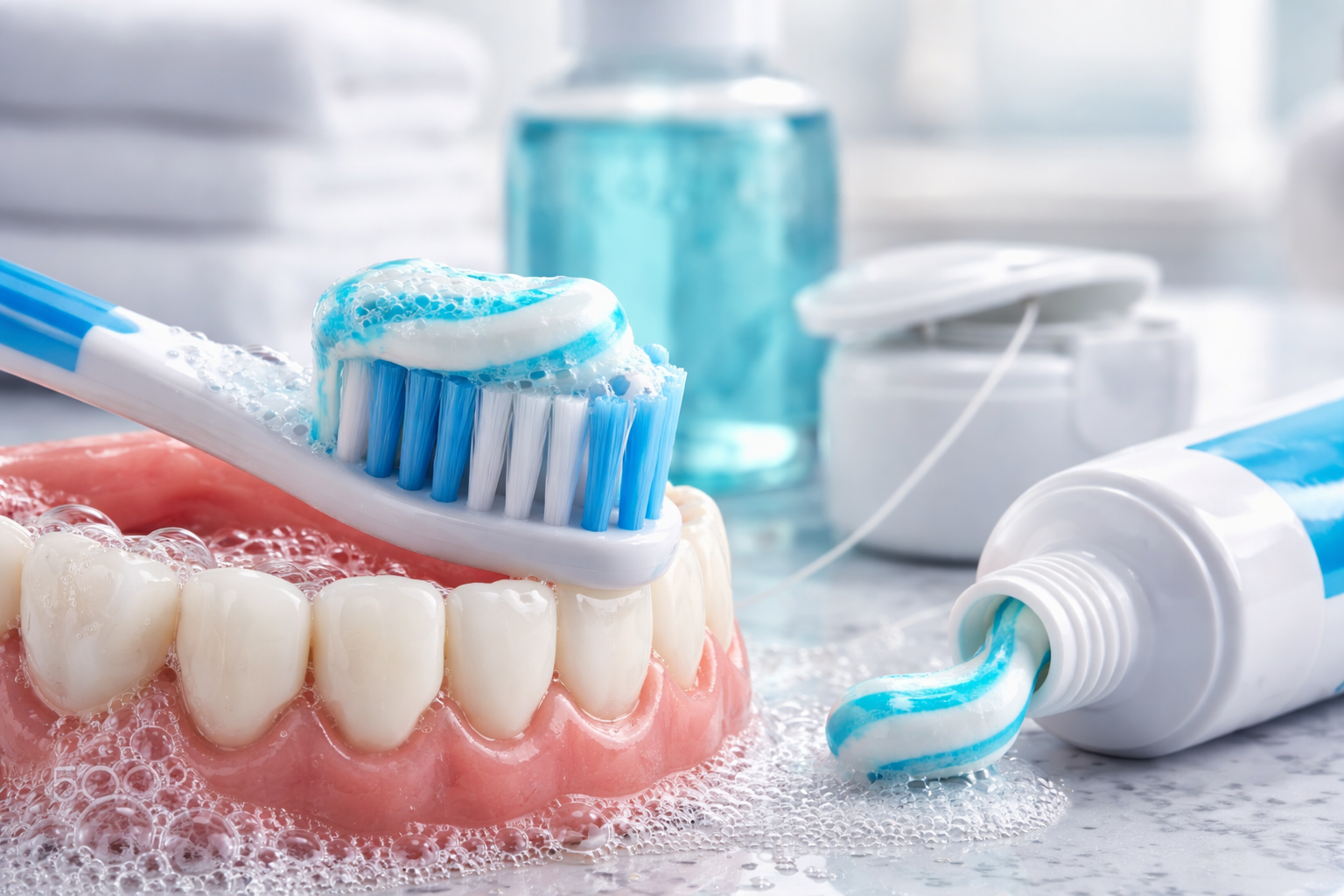
We all brush our teeth every day. It feels like the most basic part of self-care—right up there with drinking water and checking our phones first thing in the morning. But here’s the surprise: brushing daily doesn’t always mean brushing correctly.
At American Medical Center, we often meet patients who are genuinely shocked to hear that their dental problems aren’t due to neglect—but due to Brushing Mistakes they’ve been repeating for years.
Small habits may seem harmless, but over time, they can quietly damage your enamel, irritate your gums, and invite bigger dental issues.
Most common mistakes and how you can avoid them.
1. Brushing Too Hard
Brushing harder doesn’t mean cleaning better.
In actuality, vigorous brushing pushes gums away from teeth and erodes enamel.
If you notice sensitivity or receding gums, your toothbrush might be working against you.
What to do instead:
Use gentle, circular motions. Instead of using your arm strength, let the bristles do the work.
2. Using the Wrong Toothbrush
Hard bristles may sound effective, but they’re tough on teeth and gums.
Soft bristles clean just as well and are much safer for daily use.
And that frayed toothbrush sitting on your sink? It’s overdue for retirement.
Pro tip:
Replace your toothbrush every 3 months—or sooner if the bristles look tired.
3. Brushing for Too Short a Time
Be honest—do you brush for a full two minutes or just until you feel “done”?
Most people rush and miss key areas, especially the back teeth and inner surfaces.
Fix it fast:
Set a timer or play a two-minute song. Your teeth deserve the full track.
4. Skipping the Gum Line
Plaque likes to hide along the gum line. Ignoring it allows bacteria to build up and irritate your gums.
Over time, this can lead to gingivitis and gum disease.
Correct technique:
Hold your brush at a 45-degree angle and gently clean along the gum line.
5. Brushing Immediately After Eating
That “freshen up right after meals” habit might be harming your enamel.
Acidic foods soften enamel temporarily, and brushing right away can erode it.
Best practice:
Wait at least 30 minutes after eating before brushing. Sip water instead.
6. Not Brushing Twice a Day
Morning brushing clears overnight bacteria.
Night brushing removes food particles and plaque from the day.
Skipping bedtime brushing lets bacteria party all night—no invitation needed.
Golden rule:
Brush once in the morning and always before bed.
7. Using Too Much Toothpaste
More foam doesn’t mean more clean. That satisfying froth? Mostly marketing magic.
Using too much toothpaste can increase fluoride intake unnecessarily and cause irritation.
How much is enough?
A pea-sized amount is perfect for adults.
8. Ignoring the Tongue
Your tongue holds more bacteria than you think—and those bacteria cause bad breath.
Brushing only your teeth is like washing plates but leaving the sink dirty.
Simple habit:
Use your toothbrush or a tongue scraper to gently clean your tongue.
9. Rinsing Too Aggressively After Brushing
Rinsing with lots of water right after brushing washes away fluoride before it can protect your teeth.
It’s like applying sunscreen and washing it off immediately.
Dentist-approved tip:
Spit out excess toothpaste and rinse lightly—or not at all.
10. Not Changing Your Brushing Technique Over Time
Your mouth changes as you age. So should your brushing routine.
Sensitive teeth, braces, implants, or gum issues all require adjustments.
When to upgrade:
If brushing feels uncomfortable, an electric toothbrush or professional advice can help.
Conclusion
Most dental issues don’t start overnight. They build slowly through everyday Brushing Mistakes we don’t even notice.
By correcting these small habits, you can protect your enamel, keep your gums healthy, and enjoy a confident smile for years.
Good brushing isn’t about doing more—it’s about doing it right.

