
Teeth are strong, but they’re not indestructible. Over time, decay, accidents, grinding, or even biting into something unexpectedly hard can damage a tooth.
When a tooth becomes weak or broken, ignoring it can lead to pain, infection, or further damage. That’s why restoring damaged teeth quickly is essential for maintaining good oral health and proper chewing function.
One of the most effective ways to repair a weakened tooth is Dental Crowns Treatment. At American Medical Center, we use modern dental crowns to protect damaged teeth and restore both strength and appearance.
What Are Dental Crowns?
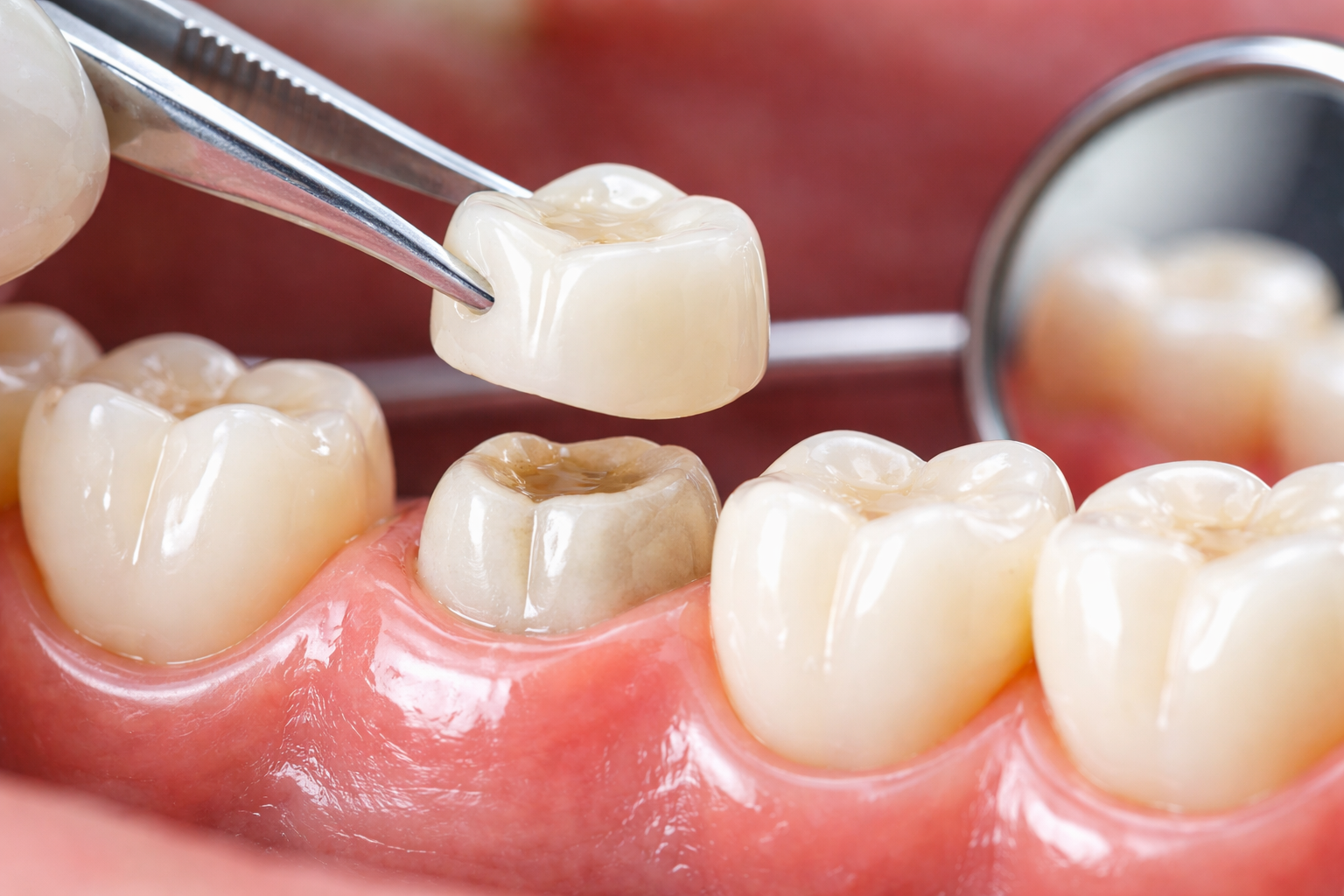
Think of a dental crown as a protective helmet for your tooth.
A dental crown is a custom-made cap that covers the entire visible part of a damaged tooth. It fits securely over the tooth and restores its original shape, size, and strength.
Once placed, the crown blends naturally with your other teeth. Most people won’t even notice it’s there—except your dentist, of course.
Common Causes of Tooth Damage
Teeth can become damaged for many reasons, and it’s more common than most people think.
Some of the most frequent causes include:
- Severe tooth decay that weakens the structure
- Cracked or broken teeth from accidents or injuries
- Large dental fillings that make teeth fragile
- Teeth worn down from grinding or clenching
- Trauma caused by sports or sudden impact
When a tooth becomes too weak to support itself, a crown often becomes the best solution.
How Dental Crowns Restore Damaged Teeth
Dental crowns do more than just cover a tooth—they rebuild its strength and function.
First, they protect the weakened tooth structure, preventing it from breaking further. This protection is especially important after treatments like root canals.
Second, crowns restore chewing ability. Eating should never feel like a risky activity.
They also improve the appearance of the tooth, giving it a natural shape and color.
Finally, crowns prevent future fractures by reinforcing the tooth and distributing biting pressure evenly.
Types of Dental Crowns
Not all crowns are the same. Dentists choose materials based on strength, durability, and appearance.
Common types include:
Porcelain crowns – Popular for front teeth because they look very natural.
Ceramic crowns – Tooth-colored and highly aesthetic.
Metal crowns – Extremely strong and long-lasting, often used for molars.
Porcelain-fused-to-metal crowns – A combination of strength and natural appearance.
Zirconia crowns – Highly durable and increasingly popular due to their natural look and strength.
Your dentist will recommend the best option based on your specific needs.
The Dental Crown Procedure
Many patients feel nervous about dental procedures, but getting a crown is straightforward.
The process usually includes:
Initial consultation and examination
Our dentist examines the damaged tooth and determines if a crown is the right solution.
Tooth preparation
The tooth is gently reshaped so the crown can fit securely.
Taking impressions
We take detailed impressions to design a crown that fits perfectly.
Temporary crown placement
A temporary crown protects the tooth while the permanent one is prepared.
Final crown placement
Once ready, the permanent crown is placed and adjusted for comfort and bite alignment.
The result? A tooth that looks and functions like new.
Benefits of Dental Crowns
Dental crowns offer several long-term advantages.
They provide strong and durable restoration, allowing you to chew normally again.
They also create natural-looking results, blending seamlessly with your smile.
Crowns offer long-lasting protection for weakened teeth, preventing further damage.
And perhaps most importantly, they restore confidence. You can smile, speak, and eat without worrying about your tooth.
How Long Do Dental Crowns Last?
With proper care, dental crowns can last 10 to 15 years or even longer.
Their lifespan depends on factors like oral hygiene, diet, and habits such as teeth grinding.
Regular dental check-ups also play an important role. Your dentist can monitor the crown and ensure it remains secure and healthy.
Tips for Caring for Dental Crowns
Taking care of a crown is very similar to caring for your natural teeth.
Follow these simple tips:
- Brush and floss daily to maintain oral hygiene
- Avoid biting extremely hard objects like ice or hard candy
- Visit the dentist regularly for check-ups
- Use a mouthguard if you grind your teeth at night
Good habits will help your crown last for many years.
When Should You Consider a Dental Crown?
Sometimes your tooth sends clear warning signs.
You may need a crown if you notice:
- Persistent tooth pain or sensitivity
- A visible crack or fracture
- A tooth weakened after a large filling or root canal
- Difficulty chewing on one side
Your dentist may recommend Dental Crowns Treatment to prevent further complications and save the natural tooth.
Conclusion
Damaged teeth don’t have to mean losing your smile. Dental crowns provide a reliable and effective way to restore strength, function, and appearance.
By protecting weakened teeth and preventing further damage, crowns play an important role in modern dentistry.
At American Medical Center, our dental team focuses on providing comfortable, advanced treatments designed to restore your smile and confidence.
If you have a damaged tooth, don’t wait. Early treatment can make all the difference in protecting your oral health and keeping your smile strong for years to come.

